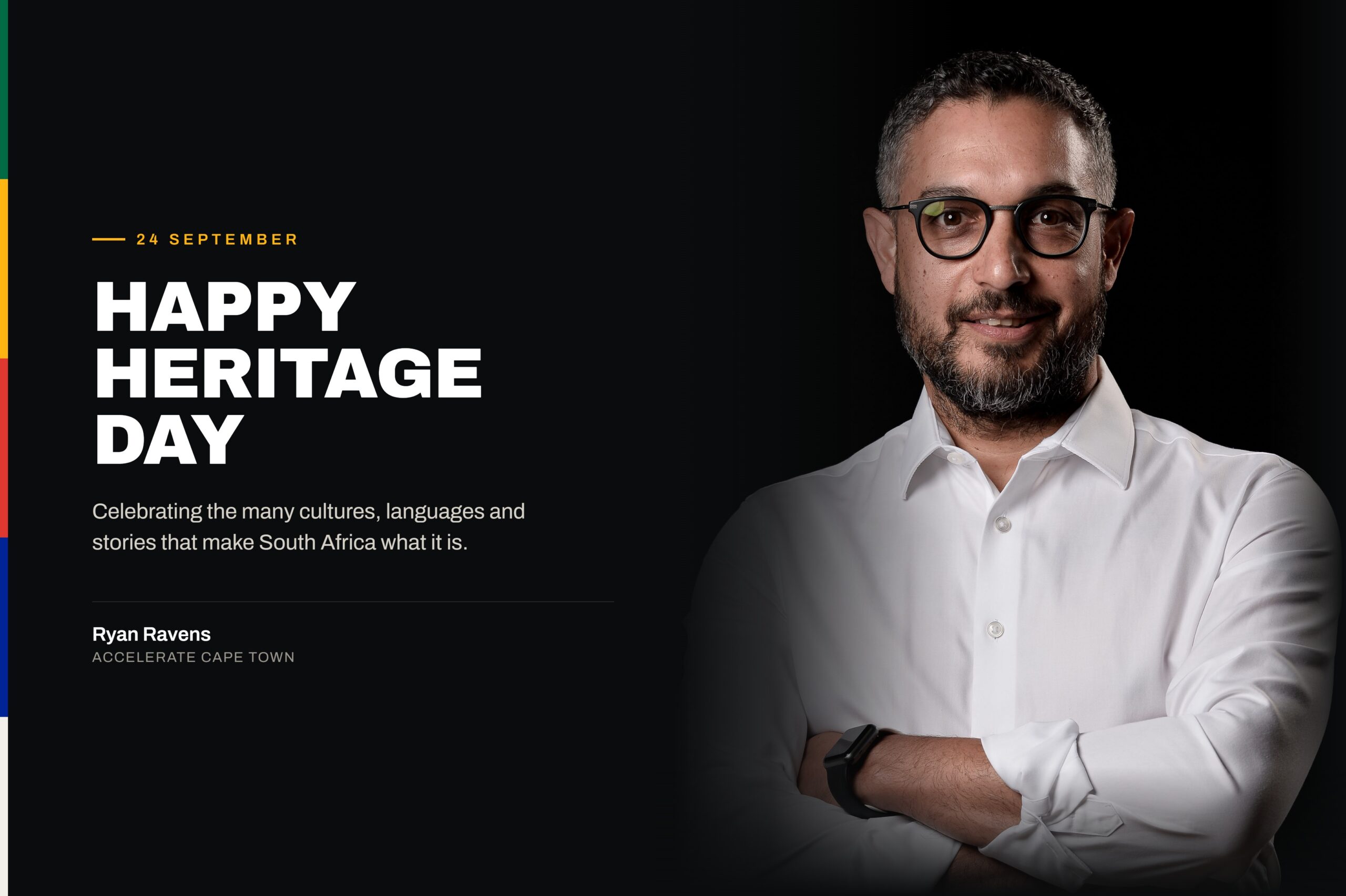
FROM THE CEO
Heritage is often spoken of in the past tense, but the finest heritage might well be the one we haven’t created yet. Every generation inherits what came before, but it also carries a responsibility to add to it.
In an increasingly AI-driven world, the things it cannot generate become disproportionately valuable. AI models have become immensely capable, but could never replicate the Bo-Kaap, or a township kitchen, and it definitely cannot braai! What is uniquely local and hard to replicate is increasingly the most robust part of our competitive position. Our colleagues at Cape Town Tourism make that case below, in economic terms rather than sentimental ones.
ACT celebrates its 20ᵗʰ year of connecting regional leadership this year, which is a tempting occasion for looking backwards, but instead we’re focusing on what we can create for the future. As a business community, that means recognising that the decisions we make today around how we invest, how we collaborate, and how we bring people together, are the heritage we’ll leave behind. Our job isn’t just to honour where Cape Town has come from but also to actively shape where it’s going.
FOCUS ISSUE
Heritage in the Making
Heritage is often viewed through the lens of the past. We celebrate the people, places, traditions, and achievements that have shaped who we are. But heritage is not only something we inherit. It is also something we create.
Twenty years ago, Cape Town looked very different. The city has grown, industries have evolved, new opportunities have emerged, and significant challenges have been overcome. Throughout that journey, ACT has brought business leaders together to contribute to the conversations, partnerships, and initiatives that have helped shape the region’s economic future.
As we celebrate Heritage Day and reflect on ACT’s 20-year journey, it is worth asking a different question: what will Cape Town’s business heritage look like 20 years from now?
The decisions being made today around investment, skills development, infrastructure, innovation, technology, sustainability, and economic inclusion will shape the city and region that future generations inherit. The legacy we leave will not be measured only by business success, but by the opportunities we create, the communities we strengthen and the resilience we build.
For ACT, this is at the heart of our mandate. Bringing leaders together is not simply about addressing today’s challenges. It is about helping shape the future of the Western Cape and the greater economy through collaboration, shared leadership, and long-term thinking.
Heritage is not only what we celebrate. It is what we leave behind.
❓Question for members: What do you believe will be the most important contribution Cape Town’s business community leaves for the next generation?
COMMUNITY SPOTLIGHT
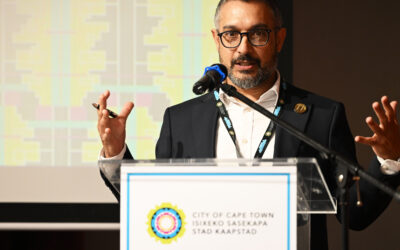
A view from Cape Town Tourism CEO, Enver Duminy
Heritage Day reminds us that Cape Town’s greatest asset isn’t just its mountains or coastline, but its people and their stories. Our city is shaped by many cultures, languages, histories and traditions, and this diversity offers visitors an experience they can’t find anywhere else. It’s also a genuine economic asset. Heritage is one of the clearest reasons travellers choose Cape Town over comparable destinations, and it sustains livelihoods among tour operators, restaurants, museums, crafters and guides.
Heritage tourism is also about ownership. When Capetonians explore their city, whether on a walking tour of the Bo-Kaap, a visit to Robben Island, a meal in a township kitchen, or an afternoon at a local museum, they become its best ambassadors. We’d love to see more locals use Heritage Month to rediscover the places and stories on their doorstep.
For me personally, Heritage Day is about the stories we inherit and those we choose to pass on. It’s a day to celebrate where we come from and to recognise that heritage is alive. It lives in our food, music, languages and the way we gather. Cape Town’s story is still being written, and each of us has a part in it.
As South Africa marks Tourism Month, Cape Town Tourism and Visit Stellenbosch are signing a Joint Marketing Agreement, positioning the two destinations as part of a connected Cape journey. The aim is to encourage longer stays, which are economically significant. Cape Town recorded 1.44 million international overnight visitors and 1.42 million domestic overnight trips in 2025, while Stellenbosch recorded more than 1.35 million overnight visitors, contributing an estimated R13 billion in economic impact.
When a visitor adds another night and another destination, the benefit flows through the value chain, from accommodation providers, restaurants and attractions to guides, retailers and the many smaller businesses that rely on the visitor economy.
Regional collaboration of this kind tends to produce a bigger pie than either party could claim by competing for slices of the existing one. That’s a principal worth applying well beyond tourism.
WHAT WE’RE WATCHING
Heritage Day & South Africa’s World Record Attempt
On Heritage Day, thousands of South Africans came together at Loftus Versfeld Stadium in an attempt to break the Guinness World Record for the largest simultaneous braai.
While the official outcome is still awaited, the event demonstrated the power of shared identity, collective participation and the traditions that bring people together. It serves as a timely reminder that heritage is not only something we celebrate, but something we actively create and pass on to future generations.
If enthusiasm counted, the record would already be ours. Now we wait for the official word.
NUMBER OF THE WEEK
20
This Heritage Day, ACT celebrates 20 years of bringing business leaders together to help shape Cape Town’s economic future. It’s an opportunity to reflect on the legacy created over the past two decades and the impact we hope to leave over the next twenty years.
JOIN THE CONVERSATION
Stay connected with ACT for the latest insights, member updates, thought leadership, and upcoming events.
Have a perspective on this week’s focus issue or a topic you’d like to see covered in future communications? We’d love to hear from you.